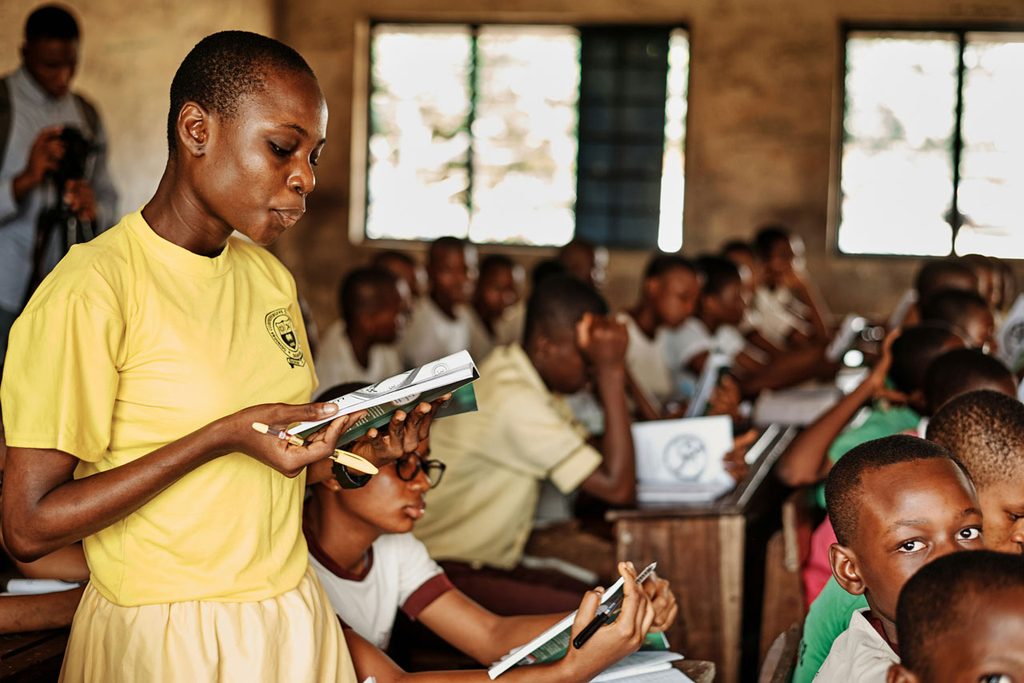
• What Happens If A School Located in South Africa Changed Its Science Test, Which Is Only Administered in English Dual Test?

    A School Located in South Africa Changed Its Science Test

    Private schools that are free within South Africa use both Afrikaans as well as English in their teaching and assessments By 2025, students will be able to speak their home language during the initial three years prior to switching to English when they reach the fourth grade (aged between 10 and 11). In the process of being bilingual, education will be introduced to schools in the primary grades.

    The number of students is 12.7 million pupils in the public secondary and primary schools across South Africa, and 8 out of 10 pupils are educated in a language other that their native language.

    As a writer for science, specializing in multilingualism, I’m particularly attracted to teaching students in multilingual environments. As a researcher in bilingual education sciences within the University of Cape Town, I was interested in determining the possibility that multilingual assessment and teaching has a positive effect on academic performance and parental support over typical methods. However, prior research had not covered the regular assessment of parents and their longer-term effects.

    Studies conducted to verify this theory found that educating and assessing the science curriculum in the mother tongue as well as English had positive outcomes, and showed parental support.

    The results indicate that the concept of bilingual education and assessment could be readily implemented at schools, and parents should be aware of how important this is.

    Improving Test Performance Through Bilingualism

    The research was carried out in Khayelitsha Primary School. It is a free informal settlement located outside of Cape Town that enrolls students from nearby communities. In the course of the research there was an English required language was four years old English which included sciences. So, the researcher decided to conduct a study pilot of teaching in a bilingual manner at a scientific university to conduct the purpose of this research.

    To motivate students to incorporate different languages in their books, we supplied students in third grade with 168 bilingual textbooks written in English as well as Isyko composed by a group of bilingual teachers. The class was able to complete the test in both languages. another class was offered the chance to test only in English just.

    The findings of this study revealed that children were more active in school when they were students studying English as an additional language.

    Furthermore, during the bilingual test, which included the two tests, Isykos as well as English questions, the students scored a success rate of 86% along with the test only comprising Isykos as well as English questions. Students taking English test scored only 51% percent success rate.

    What Were The Thoughts of Parents?

    The post-test discussions revealed that parents were extremely pleased with the curriculum. They explained that bilingual textbooks helped the children’s education at home.

    Parents share how the bilingual books aid their children’s studies at their home. A parent remarked, “After returning from abroad my son became more active within our community.”

    Many others have noted that having their language of origin helped them be more active in their child’s school-related activities.

    Parents are sometimes distracted while making the food. Our team is here to assist with any questions you may have.

    Another person added another,

    “You don’t need to phone your child to inquire about their answers, just read each page, then rewrite the text yourself.”

    Parents have also emphasized how frequently diverse languages were utilized within their community when they were with their kids. When someone isn’t understanding then the children will translate to the other. This means that schooling in bilingual schools is more compatible with the use of mother tongues than was previously believed.

    Following this exciting and unique first day, one parent shared optimism that her child will pursue a higher education future. Others asked parents whether they needed a an official, mother tongue-bilingual education throughout the grades.

    Parents did not express any concern over the child’s English difficulty with language.

    Classroom Debates On Language

    The last aspect is crucial. The supremacy of English in the world has led people to think that learning English in the early years can help prepare kids to go on university or the work market. Teachers have reported that parents force students not to choose between English as well as Afrikaans during the class.

    Research has shown that teaching just English could result in poor academic achievement among South African children, especially in science and math.

    Parents who have been interviewed regarding the importance of using languages in the classroom often have to make the decision of whether they only be taught in English or African languages?

    Parents do not often have an effective English or Afrikaans-based teaching methods that they can refer to in responding to questions. Black South Africans often associate only English education with indigenous system of education which wasn’t common among the children of indigenous schools under South Africa’s apartheid era between 1953 and 1979.

    A Bilingual Course Can Be Extremely Successful

    Studies on bilingual education have shown that when bilingual educational material, along with the appropriate assessments and instruction tools programmers that are bilingual can achieve remarkable outcomes.

    Parents who are aware of the importance of educational opportunities for bilingual children will be more inclined to promote the idea. They recognize the advantages that come from focusing on learning for children as they grow academically and also as adults.
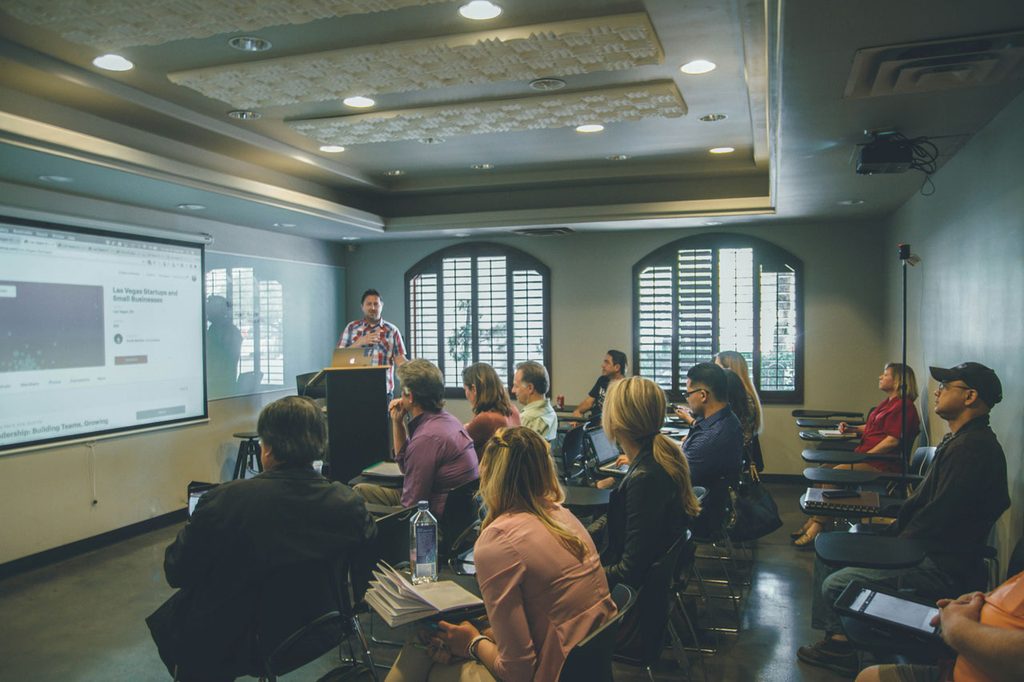

  • It is A Common Practice Within Alberta Classes, However, What Happens Do You Think If “Memory” is A Personal Experience?

    What Happens Do You Think If "Memory" is A Personal Experience?

    Recent modifications to Alberta’s educational system have led to the ongoing debate about what should and shouldn’t be taught in classrooms.

    Then, in May Demetrios the Nicolaides released a statement that announced the changes to Alberta’s academic syllabus and the curriculum. He said the new changes will strengthen the accountability, integrity and respect. He also cautioned that ideologies or political views shouldn’t be permitted in Alberta’s colleges and universities.

    However the educator was reminded of the importance of continuing discussions across a wide range of viewpoints If they’re held “in an honest and fair and fair manner.”

    The recent changes made in the Alberta Education Act aim to clarify the role of educators within their educational programs The revised policy is intended to define the things educators must do on a regular basis provide a balanced viewpoint and aid students to understand the different viewpoints.

    It raises a crucial issue for research in social sciences What is the point at which notions that will become part of political discourse be rooted in the past as well as lived experiences?

    As educators of social studies who promote empathy and security by engaging in meaningful discussions and stories We must acknowledge the trauma that is associated with teaching social studies. We must create places for dialogue that be safe for the stories we tell. However “bias” shouldn’t be interpreted as an excuse to exclude discussion about politics in the classroom instead, it’s a decision about who’s stories are heard and who will not be.

    The Stories in Classrooms Typically Tell Profound and Important Tales

    Studies in anti-racism research and culture response education is focused on race national identity, and ethnicity. Language studies show how class influences influence the education system.

    A sense of identity is crucial for children of marginalized groups. Some students may feel abandoned within the school or fail to fully appreciate their place in the classroom. If this is the case for you take note that your next education and work path could be more difficult. Every experience has the individual’s own self-image and opportunities.

    Teachers frequently face circumstances which affect their perception of their self-worth, such as race discrimination, work-related discrimination and the discrimination of parents and students. In addition, their academic identities as well as attitudes can be politicized by the staff. This could impact how they assess academic performance.

    Problems with self-efficacy were linked to issues with speech and communication.

    Whose Story Is Being Told?

    The most frequent theme of courses in social studies across the country is who can tell who’s story.

    Social studies education is intimately connected to the study of Canadian history. In this way the history of Canada has historically been taught using large-scale national narratives which form notions of national identity and give a broad perspective.

    The first one highlights Western European colonization and the creation of British and French states as the founding nations of Canada and the other one, that was developed in the late 1970s, celebrates the multicultural nature of Canada and stresses multiculturalism.

    The narratives of these stories often overlook the story of Indigenous peoples, including First Nation, Metis, and Inuit. John Ralston Saul has called this an incredibly sloppy mistake of Canada in it’s “inability to accept First Nations as an integral element of nature.” This is a reflection of the long tradition of Canada in taking into consideration Indigenous peoples in a way that goes beyond colonial stories.

    In the wake in the Truth and Reconciliation Commission report the efforts to incorporate Indigenous culture into curriculum and decolonization are underway all over Canada and are fundamentally changing education practices and programs.

    The changes in these areas are a reflection of the experience of migration for students of diverse backgrounds, each of them struggling to find their identity as well as their identity in the world.

    A psychologist and researcher in the field of education, Deborah Britzman describes confronting histories of violence, trauma, and suffering of the human as “a painful learning experience” because these encounters could transform our understanding about ourselves and our world. Stories of xenophobia, colonialism and Islamophobia as well as anti-Semitism could therefore be a powerful emotional impact that can’t be ignored.

    Researcher in education H. James Garrett illustrates how important it is to confront the uncertainties of one’s life as well as “disruptive situations of loss, violence and disintegration” for a better understanding of the personal experiences of oneself and society in general. These instances reveal not only what curricula are based on or reinforce specific narratives but also what causes certain narratives or topics within the classroom can become confusing and controversial or even contradictory.

    In the meantime both neoliberal movements and the neoconservative movement have been promoting an increasingly popular form of higher education dubbed “realism,” which claims to be impartial and objective.

    Even though facts aren’t enough to fully comprehend The claims of impartiality frequently make it difficult to understand the assumptions behind the narratives of history. The facts alone do not suffice to understand.

    The tensions in these areas determine what will occur in debates concerning controversial topics in classrooms and the way pupils and teachers deal with the past.

    Narratives help us understand the events themselves as well as their perception by people and communities They often infuse their meaning with stories. It is a constant element of the learning process as emotional experience can be crucial to understanding our world.

    Involving students in discussions about those who have experienced the Holocaust or segregation demands not just historical understanding but also a moral and emotional commitment by students. In absolute neutrality, it can hinder the student’s interactions regardless of whether students have to deal by the realities of society that impact them.

    Educational theorists like Paulo Freire emphasize the crucial importance of collaboration to influence social change. This is highlighted through his method of Education through Action and Reflection (EAR).

    Schools aren’t neutral spaces and their structures reflect the realities of politics and society that decide who can be being heard. It is therefore essential to allow for different views to encourage effective learning.

    The process begins with discussion about the different styles of communication and how to conduct dialog. When these areas are in place the students and educators will be able to establish an open space to freely share stories, and relating their experiences to the syllabus. Students can investigate the various voices within the curriculum, and learn what stories from different perspectives can contribute to understanding historical and cultural identities.

    Maintain Autonomy, Respect Boundaries

    The kind of storytelling that is used will increase students’ perception of independence. Making clear the expectations for conversation gives students the opportunity to express their opinions or experiences from their own personal experience at the time they’re ready as well as to invite their friends or their teachers to be part of on the journey as listeners, or as peers.

    It is important to ensure that children who come from vulnerable backgrounds don’t be enticed to discuss their experiences, either personal or traumatizing, in public with other students.

    Instead, teachers should allow students to participate in the class without having to force students to share in their own time. If students decide to take the responsibility of their own choices and choices, it could be an act of restorative that can lead to healing, empowerment or a sense of reconciliation.

    However it’s also crucial to move away from critique to innovation and let students come up with new narratives about Canadian heritage and culture.

    A complex story doesn’t have to hinder the democratic process of learning. Learning how to communicate effectively about them is an essential part!

    Read more: bisadepo5k.com


  • How The Hansen-Lachlan Scholarship Has Helped Her Explore Across The Globe and Discover Her Interests

    The Hansen-Lachlan Scholarship Has Helped Explore Across The Globe

    The purpose of college shouldn’t be to help to achieve your professional goals but rather as a way to determine gaps in your needs and to address them. Lachlan’s love for engineering from an early age has led him to major in engineering at the beginning of his academic life, and later moved to Canberra and then Melbourne.

    “I’ve always had a keen interest in the field of engineering since a very young age. I was enthralled by making engines due to the fact that my dad was always at home working on his cars I was fascinated.”

    Hansen’s scholarship program permitted him to travel between Adelaide to Melbourne. Lachlan claims this lets him concentrate on his studies while benefiting of other events.

    “Receiving the award changed the game for me. It has did not just help me with my financial situation while at university, but it helped me improve my academic and personal well-being.”

    Are You A Fan of The Thrill and Adventure of The Act of Moving?

    The decision to move to a different state for university is an enormous step. Lachlan was thrilled to live the new life of a city. Being awarded the Hansen Scholarship, which comes with a significant amount of financial aid as well as three years of full-time residence within Little Hall, gave Lachlan the confidence to make the initial step.

    “This move was born of an urge to break beyond his comfort area, discover the independence of living and the excitement of city life by himself.”

    “Melbourne is a great place to be for both professional and personal growth and development, therefore the chance to change state was crucial.”

    It took a lot of time to prepare for independence However, Lachlan loved every minute of his independence.

    “The greatest thing about the city of Melbourne is the sensation of being free. I am able to take full charge of myself in every aspect of my existence. It’s an extremely liberating experience!”

    “I love discovering Melbourne. There’s much more to Melbourne than academics!” “One of my favorites ways to spend my time is doing study!”

    Students from Hansen Lachlan has a home within Little Hall and shares a 4-bedroom house, with two bathrooms, with seven other students who are from Australia The student enjoys the chance to live as well as study alongside them.

    “Living in a room with fellow students was an enjoyable adventure. My roommate became my closest friend, and we truly enjoyed our time with each other.”

    Making A Difference in The Future of Your Career

    Lachlan plans to major in aerospace engineering. His favorite projects to date are his engineering mechanical internship as well as joining the school’s ARES aerospace club.

    “Working as part of the team has enriched me with many years of experience and has sparked my interest in creating custom composite structures and also helped me develop useful skills, such as management, teamwork and communication.”

    With more than 200 societies available. There are plenty of opportunities to connect with people from campuses or to develop your career as Lachlan.

    Alongside his main course, he also took this occasion to expand his understanding by taking various electives.

    “Electives permit students to investigate areas outside of their subject.” Certain of the electives I took provided internships, and even though it wasn’t my preferred path but it was fun as well as a invaluable learning opportunities.

    “The wide range of classes allowed me to be more adaptable and suited me for a variety of jobs, particularly as many employers expect the ability to communicate to fulfill their obligations. It was fantastic to possess various skills to use as well as my current work!”

    Lachlan claims that his Hansen Scholarship mentorship program assisted him in planning his goals for the future.

    The Hansen Scholarship, students receive help from their mentors, who can connect them to experts in their fields.

    “My instructors within The Department of Engineering and Information Technology are amazing. Being able to access such an intellectual community incredible! The opportunity to meet with them on a regular basis is a major benefit.”

    “Understanding the experiences of their peers is extremely useful, no matter if it’s giving information regarding particular aspects of the program and discussing career opportunities or asking for letters of recommendations.”